What exactly are the differences among these transparent materials: PC, PMMA, PS and PET?
Transparent materials are easily misunderstood. A transparent box, a lamp shade, a pair of goggles and a beverage bottle may all look crystal‑clear, yet they can be made of completely different materials underneath.
PC, PMMA, PS and PET are all common transparent plastics. All of them can achieve transparency, yet their practical differences lie not in whether they are transparent, but in impact resistance, scratch resistance, heat resistance, outdoor long‑term service performance and cost acceptability.
To start with the conclusion: PC excels in impact resistance and heat resistance; PMMA stands out for high clarity, surface hardness and appearance; PS features low cost, good transparency and easy processing; PET performs well in packaging, films, bottles and toughness. Transparency is not the deciding factor — application scenarios are.
I. What are the core differences among the four transparent materials?
For a preliminary evaluation, you may first get a general idea from the table below.
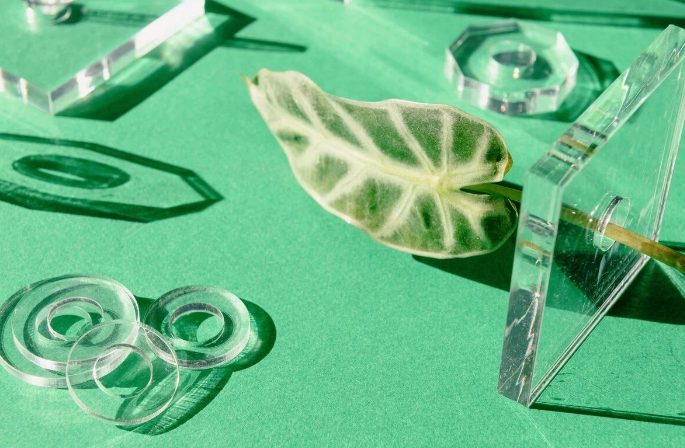
Transparent parts have different requirements in appearance, processing and impact resistance.
Material Comparison Table
| Material | Interpretation | Main Advantages | Points to Note |
|---|---|---|---|
| PC | Polycarbonate, the “impact‑resistant performer” among transparent engineering plastics. | Excellent toughness and high impact resistance; better heat resistance than ordinary transparent plastics. | Prone to scratches and stress cracking. Yellowing and weathering should be considered for long‑term outdoor use. |
| PMMA | Commonly known as acrylic. Delivers excellent transparent appearance and surface texture. | High clarity, good surface hardness, outstanding weather resistance and visual performance. | Inferior impact toughness compared with PC. More susceptible to cracking under force or drop impact. |
| PS | Polystyrene, an inexpensive, transparent and easily‑processed general‑purpose plastic. | Low cost and easy molding. Suitable for many disposable or low‑load transparent components. | Relatively brittle, limited heat and impact resistance. Not suitable for high‑impact applications. |
| PET | Polyester‑based material, widely used in beverage bottles, films, sheets and packaging. | Good toughness and barrier properties. Ideal for bottles, packaging films and transparent sheets. | General PET products cannot be freely used at high temperatures. Processing and crystallization conditions will affect transparency. |
Transparency is only a visual result and does not mean identical material properties.
II. Why Should We Not Judge Transparent Materials Solely by Appearance?
Transparency is merely a visual effect, not a material property. Many transparent parts look bright and brand‑new when first received, yet differences gradually emerge after a period of use.
Some transparent parts crack upon a simple drop, while others only deform without breaking. Some get scratched quickly on the surface, whereas others remain crystal‑clear even after long‑term outdoor exposure. Some can be made into protective shields, while others are only fit for packaging boxes. What truly sets them apart are the underlying properties: strength, toughness, heat resistance, weather resistance, chemical resistance and processing methods.
A more precise question is not: Which material is the most transparent? Instead, we should ask: Does it need to be drop‑resistant? Does it need scratch resistance? Will it be used outdoors? Will it come into contact with hot water, oil, alcohol or cleaning agents?
III. Making Clear‑Cut Material Selections for End‑Products
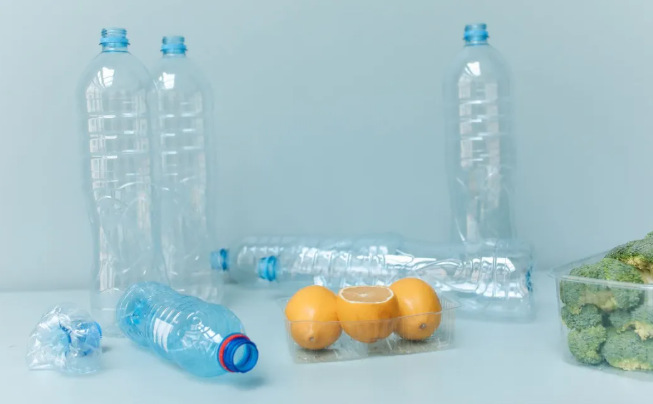
Bottles, packaging, displays and protection impose different requirements on transparent materials.
Products such as goggles and protective shields must avoid fragmentation that may cause personal injury, so impact resistance is generally a top priority. PC is widely used for its excellent toughness and high impact strength. However, its surface is prone to scratches, so hard‑coating is applied in some applications.
Key considerations: impact resistance, scratch resistance.
Products like display boxes, light boxes and acrylic signs prioritize clarity, appearance and surface texture. PMMA is widely used here thanks to its excellent transparency, and it is suitable for cutting, polishing and display applications. Nevertheless, it should not be simply regarded as a glass substitute when high‑impact loads are involved.
Key considerations: light transmission, visual appearance.
Disposable transparent boxes, CD cases and blister packaging: PS often offers advantages for products with low load‑bearing requirements, short service life and cost‑sensitive budgets. It features good transparency, low cost and easy molding, yet it is relatively brittle and prone to cracking under dropping, squeezing or low‑temperature impact.
Key considerations: cost, service life.
Beverage bottles, transparent sheets and packaging films. PET is very common in packaging applications, especially for bottles, films and sheets. It boasts good toughness and certain barrier properties. However, ordinary PET bottles cannot be assumed suitable for holding hot water or long‑term high‑temperature use; product labels and service conditions shall be referred to instead.
Key considerations: packaging application, temperature resistance.

IV. Several Common Misconceptions
Misconception 1: All transparent plastics are PC
This is incorrect. PC is only one type of transparent material. PMMA, PS, PET, PETG, transparent ABS, transparent PP and others can also achieve transparent or translucent effects. It is difficult to accurately identify materials merely by visual transparency.
Misconception 2: Acrylic cracks easily, so it is low‑grade
PMMA does have inferior impact toughness compared with PC. Nevertheless, it has great advantages in clarity, surface hardness, weather resistance and processed appearance. For displays, signs, light boxes and decorative parts, PMMA is not a low‑end substitute, but a dedicated appearance‑oriented material.
Misconception 3: Since PET bottles are transparent, they can safely hold hot water arbitrarily
PET is widely used for ordinary beverage bottles, yet that does not mean it fits all high‑temperature scenarios. Whether it can hold hot water, be reused repeatedly, or come into contact with oil, acids or alkalis depends on specific product design, material grade and labeling requirements.
Misconception 4: The more expensive the transparent material, the better it is
PC is generally more costly than PS. However, PS may be more suitable for disposable transparent packaging. PMMA cannot match PC in impact resistance, yet it works better for many display components where appearance is prioritized. For materials, higher price does not equal better performance; the best choice is the one best‑matched to your application.
V. The Simplest Judgment Method
For an initial round of evaluation, you may keep the following guidelines in mind:
- Prioritize PC if you require impact resistance, protective performance and superior heat resistance.
- Prioritize PMMA for high clarity, premium appearance and good surface texture.
- PS is a common option for low‑cost, short‑service‑life general transparent packaging.
- Focus on PET for bottles, films, sheets and packaging requiring good toughness.
For further screening, clarify these questions:
Will it be used outdoors? Will it bear long‑term mechanical load? Is drop impact a concern? Will it come into contact with alcohol, cleaning agents, grease or food? Is heat resistance required? Is flame retardancy needed? Are test reports required?
Final Note
PC, PMMA, PS and PET can all deliver transparency, yet they are not the same kind of transparency.
PC functions more as a protection‑oriented transparent material; PMMA is an appearance‑focused transparent material; PS is an economy‑driven transparent material; and PET is a packaging‑specialized transparent material.
Therefore, when evaluating transparent materials, do not only check how clear they look. Instead, place them in the context of the end product and consider what functions they actually need to perform.