What exactly are the differences between these common plastics: PE, PP, PVC, ABS and PC? (2)
III. PP (Polypropylene): It is lightweight, low-cost and boasts superior heat resistance. However, caution is required regarding its low-temperature performance and aging resistance.
PP, short for polypropylene, is an extremely common type of plastic.
It can be used to make takeaway food containers, microwave-safe lunch boxes, storage boxes, washing machine components, automotive interior parts, home appliance fittings, bottle caps, document folders and woven bags.
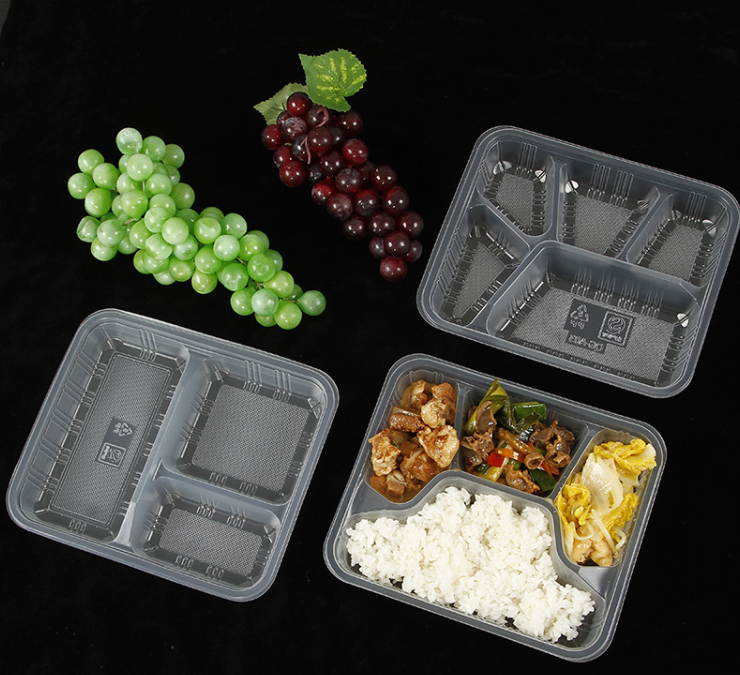
PP generally strikes people first as lightweight, low-cost, and superior to PE in heat resistance. It has a lower density than most plastics, meaning it weighs less for the same volume. That accounts for its widespread application in daily necessities, packaging products and automotive components — it delivers great advantages in weight reduction, cost control and processability.
Another prominent merit of PP is its excellent fatigue resistance. Plastic hinges designed for repeated opening and closing, such as living hinges on box lids, are commonly made from PP. If rigid and brittle plastics were adopted for such structures, they would easily fracture after repeated bending.
However, PP also has its drawbacks.
Firstly, general-purpose PP tends to have poor low-temperature impact resistance. In winter, during cold transportation or when used outdoors in frigid conditions, it will become brittle more easily without impact-resistant modification.
Secondly, ordinary PP does not inherently possess good weather resistance. If it lacks anti-UV and antioxidant formulations, prolonged exposure to sunlight outdoors will cause it to chalk, turn brittle and crack.
Thirdly, PP is a material that is difficult to bond and paint. Just like PE, it features low surface energy, so surface treatment is usually mandatory prior to adhesion and printing.
Therefore, you cannot simply assume that products marked as "PP material" are inherently durable.
You need to ask further questions: Is it general-purpose PP or impact-modified PP? Will it be used indoors or outdoors? Is low-temperature resistance required? Will it come into contact with hot water, grease or cleaning agents? Does it need to bear load for a long time? PP boasts obvious advantages, yet its applicable limitations must be fully clarified.
IV. PVC: Available in rigid and flexible grades, with vast differences in formulations and applications.
PVC, or polyvinyl chloride, is a distinctive plastic material.
It is widely used in water pipes, door and window profiles, flooring, wire and cable sheathing, flexible hoses, artificial leather, advertising films, sealing strips and many other products.
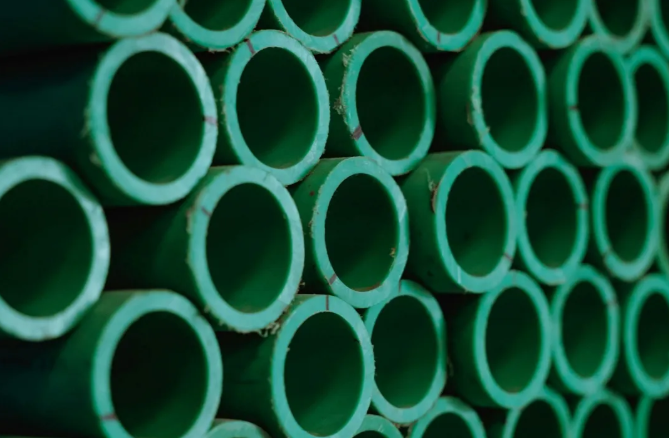
Many people have mixed impressions of PVC. On the one hand, it is inexpensive, easy to process and versatile in application. On the other hand, it is often associated with issues such as plasticizers, unpleasant odors, environmental performance and thermal stability.
The key to understanding PVC lies in one point: PVC can be formulated to be either rigid or flexible.
Rigid PVC is commonly used for drainage pipes, trunking, profiles and sheets. Flexible PVC is widely applied in wire insulation jackets, flexible hoses, flooring, artificial leather and transparent flexible films. PVC is inherently rigid; plasticizers are generally added to make it soft. This gives rise to a crucial point: the properties of PVC products depend largely on their formulations.
Products all named PVC can vary tremendously from one another.
Rigid PVC pipes prioritize mechanical strength, pressure resistance, corrosion resistance and long-term dimensional stability.
PVC cable sheaths require flexibility, flame retardancy, cold resistance, heat resistance, oil resistance and consistent processability during production.
PVC flooring focuses on wear resistance, dimensional stability, low odor, prevention of plasticizer migration and environmental compliance standards.
Transparent PVC flexible hoses demand soft texture, high transparency, resistance to various media and stable performance across working temperature ranges.
One of PVC's advantages is its relatively good flame retardancy, which is why it is widely adopted in wires, cables and construction materials. Nevertheless, PVC is thermally sensitive and requires a thermal stabilizer system during processing. Poor formulation, unstable processing conditions or excessively high service temperatures may lead to discoloration, embrittlement, precipitation, unpleasant odors and other defects.
Flexible PVC needs extra attention to plasticizer migration. After prolonged use, certain flexible PVC items tend to harden, turn sticky, exude oily substances and accumulate dust on the surface. Such phenomena are usually attributed to plasticizers, stabilizers, fillers as well as the service environment.
Accordingly, PVC cannot be simply judged as good or bad. It is more like a customizable formulation platform. Rather than merely focusing on the term "PVC", the priority is to confirm its application scenario and whether its formulation system can meet the corresponding working requirements.
V. ABS: Widely Used for Casings with Well-Balanced Overall Properties
ABS is a prevalent material for various housing products. It is extensively adopted for home appliance casings, toys, instrument housings, automotive interior parts, office equipment, luggage fittings, and the outer shells of many electronic products.
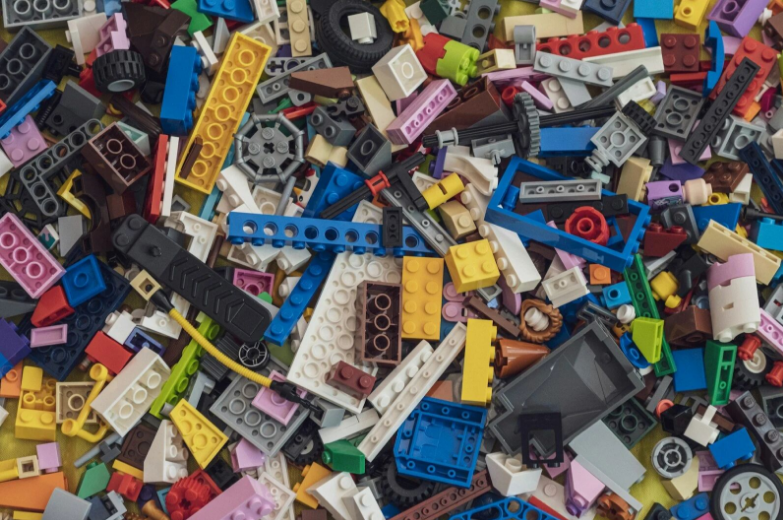
ABS gains popularity not due to outstanding performance in a single aspect, but its excellent overall balanced properties. It boasts moderate rigidity paired with decent toughness. It features great processability and delivers consistent injection molding results. Besides, it yields superior surface finishes and is easy to color, spray-paint, electroplate and texture — a vital advantage for housing components.
Housings are required not only to be smoothly molded, but also to have an attractive appearance, pleasant hand feel, stable assembly dimensions, good resistance to cracking upon drops, and affordable mass-production costs. ABS fits perfectly for the majority of such application scenarios.
Nevertheless, ABS also has its limitations. General-purpose ABS has mediocre weather resistance; prolonged exposure to outdoor sunlight will easily cause discoloration, chalking and deterioration of physical properties. Its heat resistance is not outstanding either, so caution is needed when applying it near heat sources.
Additionally, ABS is susceptible to certain solvents, cleaning agents and greases. If internal stress exists inside the molded part, contact with alcohol or solvent-based cleaners may trigger stress cracking. This explains why some thick casings still develop cracks around screw posts, snap fits and corner areas after long-term use. Such failures are not simply caused by cheap raw materials; they usually result from the combined effects of material selection, structural design, injection molding-induced internal stress, and contacting media during service.
ABS can be modified in numerous ways, including heat-resistant ABS, flame-retardant ABS, high-impact ABS, plating-grade ABS and weather-resistant ABS.
Alloy blending of ABS and PC, known as PC/ABS alloy, is also widely adopted. PC/ABS combines the heat resistance and high impact strength of PC with the excellent processability and premium surface appearance of ABS to a certain extent. For this reason, it is extensively used in automotive interior parts as well as housings for electronics and electrical appliances.
When evaluating ABS materials, you may understand it as follows: it is ideal for the production of various casings thanks to its well-balanced comprehensive properties. However, if requirements such as outdoor durability, heat resistance, flame retardancy and chemical resistance are needed, you have to check the specific material grade and modification formula accordingly.