
UN experts: Recycled plastics for food need stronger safeguards
According to a new report by the UN Food and Agriculture Organization (FAO), recycled plastics can help mitigate the growing global waste crisis, provided that strict regulations are in place for food packaging to prevent contamination.

can the QR code to download the report.
The FAO warns that recycled plastics and alternative packaging can help reduce waste, provided that recycling systems are strictly managed to prevent the migration of harmful chemicals into food.
Food packaging is central to modern food systems, helping to preserve quality, extend shelf life, and minimize food loss. Driven by rapid industry growth, the market is forecast to expand from roughly $505 billion in 2024 to over $815 billion by 2030. Yet, the surge in plastic packaging has sparked environmental concerns. Currently, less than 10% of global plastic waste is recycled, a figure expected to climb as nations advance their sustainable development goals.
1. Complex recycling streams
Food packaging must adhere to strict chemical safety standards, unlike many other recyclables.
Plastic food containers and wrappers may contain thousands of manufacturing substances, such as stabilizers, coatings, pigments, and plasticizers. Furthermore, the recycling process itself can introduce additional contaminants through improper sorting, environmental exposure, or previous consumer use.
Furthermore, the FAO's analysis reveals that recycled plastics may harbor higher concentrations of metals, flame retardants, phthalates, and persistent organic pollutants (POPs) compared to virgin plastics.
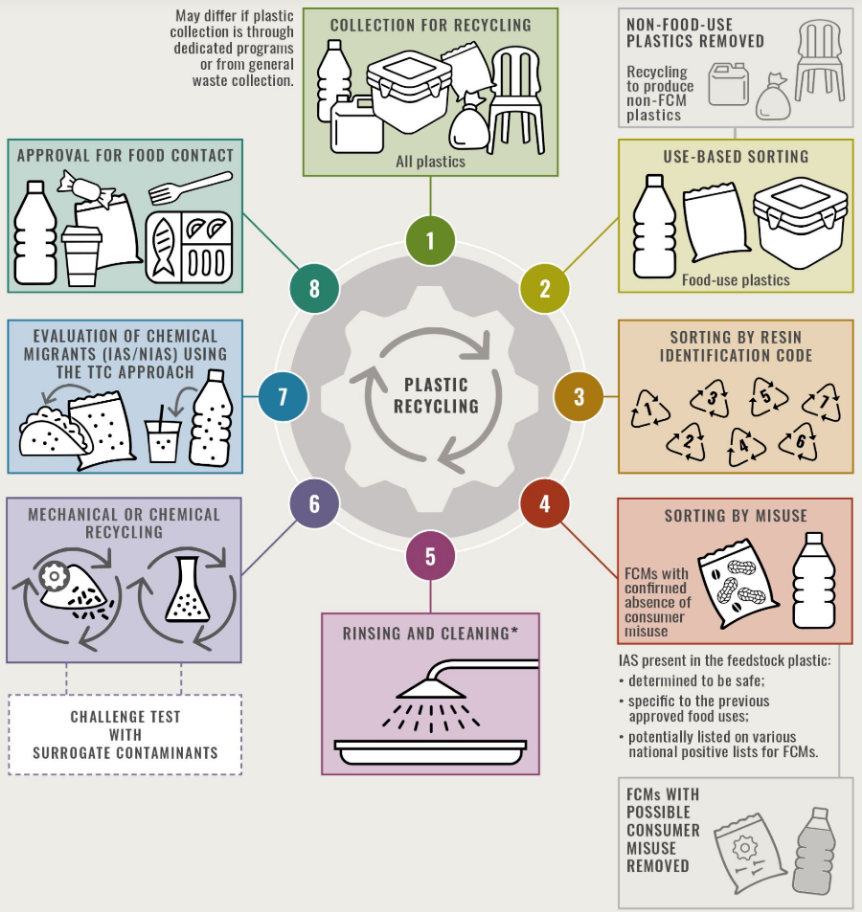
FAO Steps for Recycling Plastics for Food Contact Materials: Food Safety Considerations
Experts stress that, following strict cleaning, purification, and regulatory scrutiny, recycled plastics approved for food use can be just as safe as virgin plastics. In the EU, for example, authorized recycled food contact materials are held to the exact same standards as newly produced plastics.
"The report's key finding is that although recycled plastics and alternative food contact materials offer environmental benefits, they can also raise significant food safety issues," Mr. Fatori stated. "Applying circular economy principles is essential, but they must be applied correctly."
2. New Materials, New Issues
The analysis also explores alternative packaging materials—such as bioplastics, plant fibers, and protein-based materials—that are increasingly marketed as sustainable replacements for conventional plastics.
Yet, being bio-based does not automatically equate to being biodegradable. Certain materials sourced from renewable resources like corn or sugarcane are chemically identical to conventional plastics, whereas others require specific conditions to decompose.
The report warns that plant-based packaging could carry agricultural risks, such as pesticide residues, toxins, and heavy metals. Similarly, protein-based materials might lead to the migration of allergens, like gluten, into food.
Similar to conventional plastics, many alternatives depend on chemical additives to enhance their performance, yet some still lack adequate long-term safety data.
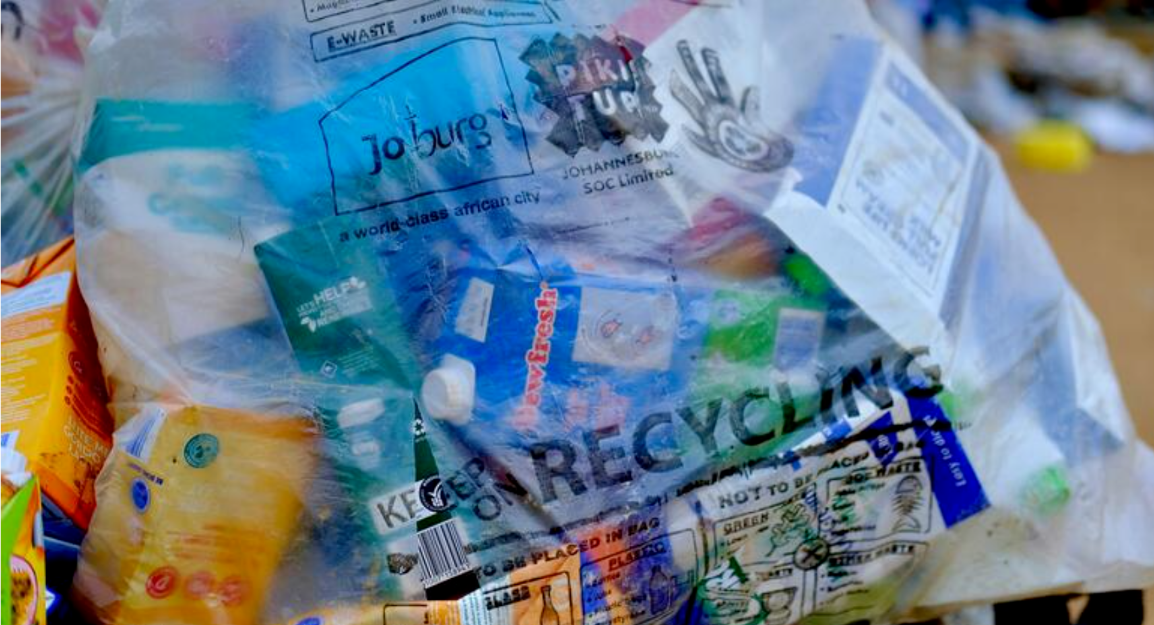
Unsplash/Calvin Sihongo: Plastic being collected for recycling in Johannesburg, South Africa.
3. Lack of Awareness of Microplastics
The analysis also touches upon rising public concerns regarding microplastics and nanoplastics in food and beverages. The detection of microscopic plastic particles in human blood, lungs, breast milk, and placentas by scientists has confirmed widespread exposure.
Yet, the absence of reliable and uniform methods for the continuous detection and measurement of these particles makes it difficult to evaluate the precise health risks.
The report notes that recycling facilities themselves may also be a source of microplastic pollution, particularly during the mechanical recycling process, where plastics are broken down into smaller pieces.
"All of this must begin with a properly controlled recycling process that includes cleaning and the removal of chemical contaminants," Mr. Fattori said.
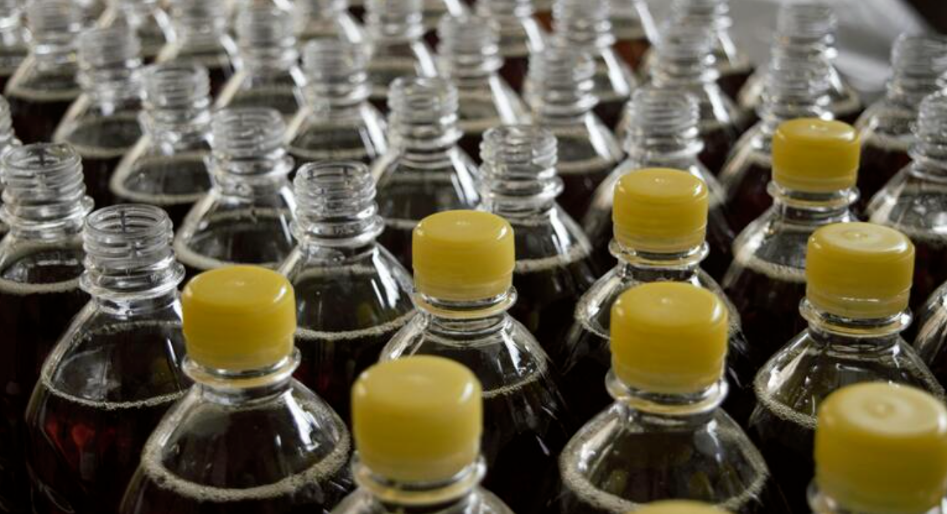
Unsplash/Arshad Pooloo: Many plastic items, like beverage bottles, are designed for single use.
4. Moving Toward Global Standards
These findings are anticipated to provide insights for the ongoing discussions at the Codex Alimentarius Commission, an international food standards body established by the FAO and the WHO.
The report points out that varying regulatory approaches to recycled plastics and food contact materials across countries present challenges for both trade and consumer protection.
"Our role is to provide support to countries, beginning with the harmonization of regulations regarding food safety impacts, for example, those associated with packaging materials," Mr. Fattori said.
The report indicates that harmonized global standards will enable countries to bolster science-based food safety systems and simultaneously help reduce plastic waste.
Source: UN News